The Waikōloa Dry Forest Initiative was formed in 2011 to protect, promote, and restore a native Hawaiian dry forest. After years of grassroots advocacy in the community and collaboration with the Waikōloa Village Outdoor Circle, the Waikōloa Dry Forest Preserve was established to protect many of the remaining native trees in the region. Since then, our community has come together to restore our forest, educate our keiki, and ensure a future for the lowland dry forest of Waikōloa. This is our team:
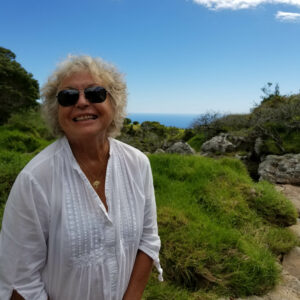
Beverley Brand
President Emeritus
Founder and President from 2011-2019, Beverley has led the charge to bring the community together to protect and manage the unique environment of Waikōloa. in 2015 Bev was awarded the Nāhelehele Distinguished Conservation Award for her work establishing WDFI and its programs. While serving on the board, Bev also opened the Dusty Donkey Emporium to benefit WDFI and now manages the shop with her fellow volunteers.
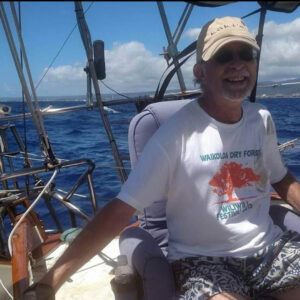
W. Stewart Lawrence
Vice President Emeritus
Dr. Lawrence is a physician and has been practicing in our community for many years. He is a founding member and long-time advocate for the conservation of the forest and is particularly passionate about educating our local youth.
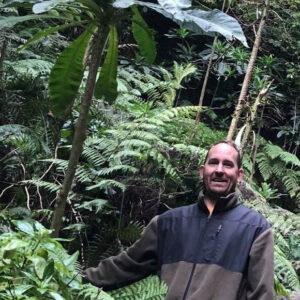
Dr. Jonathan Price
President
Professor of Geography at UH Hilo, Dr. Price’s research is focused on using GIS to identify biodiversity hotspots for native bird and plant species, search for rare species, and locate appropriate areas for the restoration of threatened and endangered species.
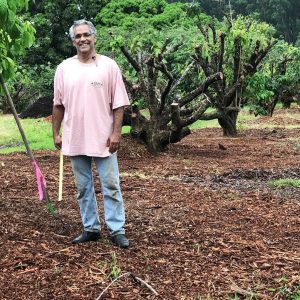
Joel LaPinta
Vice President
Joel has always been fascinated with making things grow. He has worked to develop agriculture, housing, and community. His professional career extends from selling lands for sugar plantations to developing residential housing affordable to local families, putting former sugar plantation workers on land for farming, and shipping and selling ginger, taro, and sweet potato, to brokering high-rise multifamily residential sites in the urban core to sale of lands eventually acquired for conservation. He has served on various non-profit boards and committees. He believes WDFI is a seed that is growing into a greater service to the community.

Koa Woolley
Treasurer
Koa was born and raised on the Big Island between Ka’u and South Kona. She resides in Waikoloa Village and has a passion for forest restoration, especially in dry areas such as Waikoloa and South Kona where she has a 10-acre farm within a lama forest. Koa is excited to join the WDFI board to help restore the native habitat!
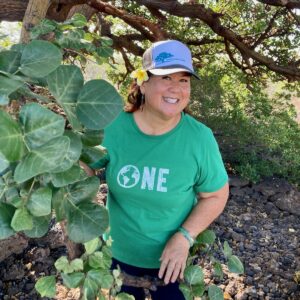
Rhanda Ku’ulei Vickery
Secretary
Ku’ulei understood early on that most learning did not come from a classroom, but from time at the beach or deep within a forest. As an educator in the Hawai’i public school system for many years, she still believes one can learn from different sources and that student time should be rich with experiences. She believes in all aspects of aloha ‘aina and is proud to be part of the Waikōloa Dry Forest Initiative team.
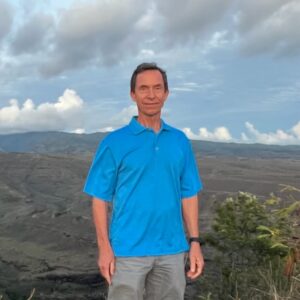
Tom Cross
Director
After spending all his professional career in the hotel industry, which started in Yosemite National Park where he was born, recently retired member Tom Cross is honored to be able to give back to this beautiful and unique Aina of the Dry Forest. He is looking forward to active participation on the ground and as a contributing new member of the board.
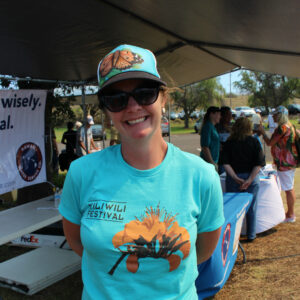
Jen Lawson
Executive Director
As the first employee of WDFI, Jen has been central to WDFI’s vision and development. Her passion is connecting people to nature through the exploration and discovery of plants. She is interested in facilitating synergy among community, conservation agencies, and businesses and forging creative paths toward sustainability, and the conservation of biodiversity and biocultural resources.
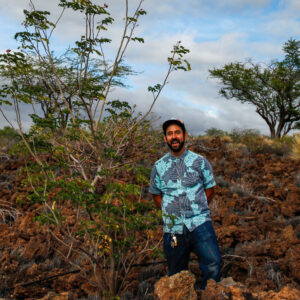
Rob Yagi
Preserve Manager
Rob is a hard-working and dedicated conservationist responsible for many of our successes in forest restoration. He tirelessly protects the preserve through his weed management and wildfire mitigation efforts and brings new areas to life each year through native planting. Rob’s energy and expertise have advanced our forest programs tremendously.
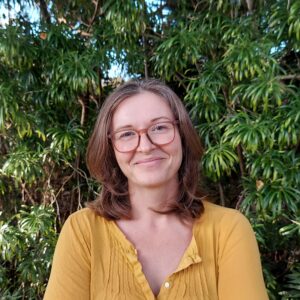
Greta Zimmer
Thrift Shop Manager
Greta fell in love instantly with Hawai’i island’s incredibly diverse landscape and is excited to be able to play a small part in conserving that diversity. Though she has always been an advocate for environmental causes within her community, she is pleased to be able to direct her professional efforts toward that end for the first time as manager of the Dusty Donkey Emporium. She believes that thrift shops and environmental education initiatives might just be the answer to the universe.
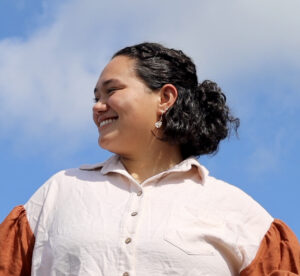
Keisha Colon
Education Coordinator
Born and raised on Hawaiʻi Island, Keisha is a writer and humanities enthuse. She found her way into education through non-conventional means. As the Education Coordinator, Keisha has a laid-back teaching style that is responsive to the keiki brought under her wing. She is excited to continue to reconnect with her ancestral homeland through WDFI, and be a part of the mission to aloha ʻāina.
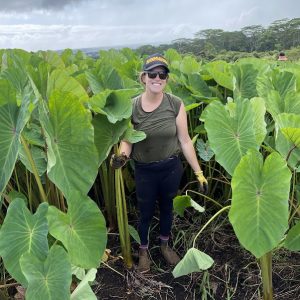
Bridget Judd
Project Coordinator
Bridget is passionate about connecting people to the beauty and nuance of Hawai‘i’s natural resources. Her background includes project management, event planning, conservation biology, local forestry, and sawmill operations. She enjoys working with various stakeholders, wearing many hats, and being involved with everything from fiscal management, organization, community relations, and hands-on stewardship work. When not at work, her hobbies take her outside to swim, garden, hike, backpack, and make lei!